
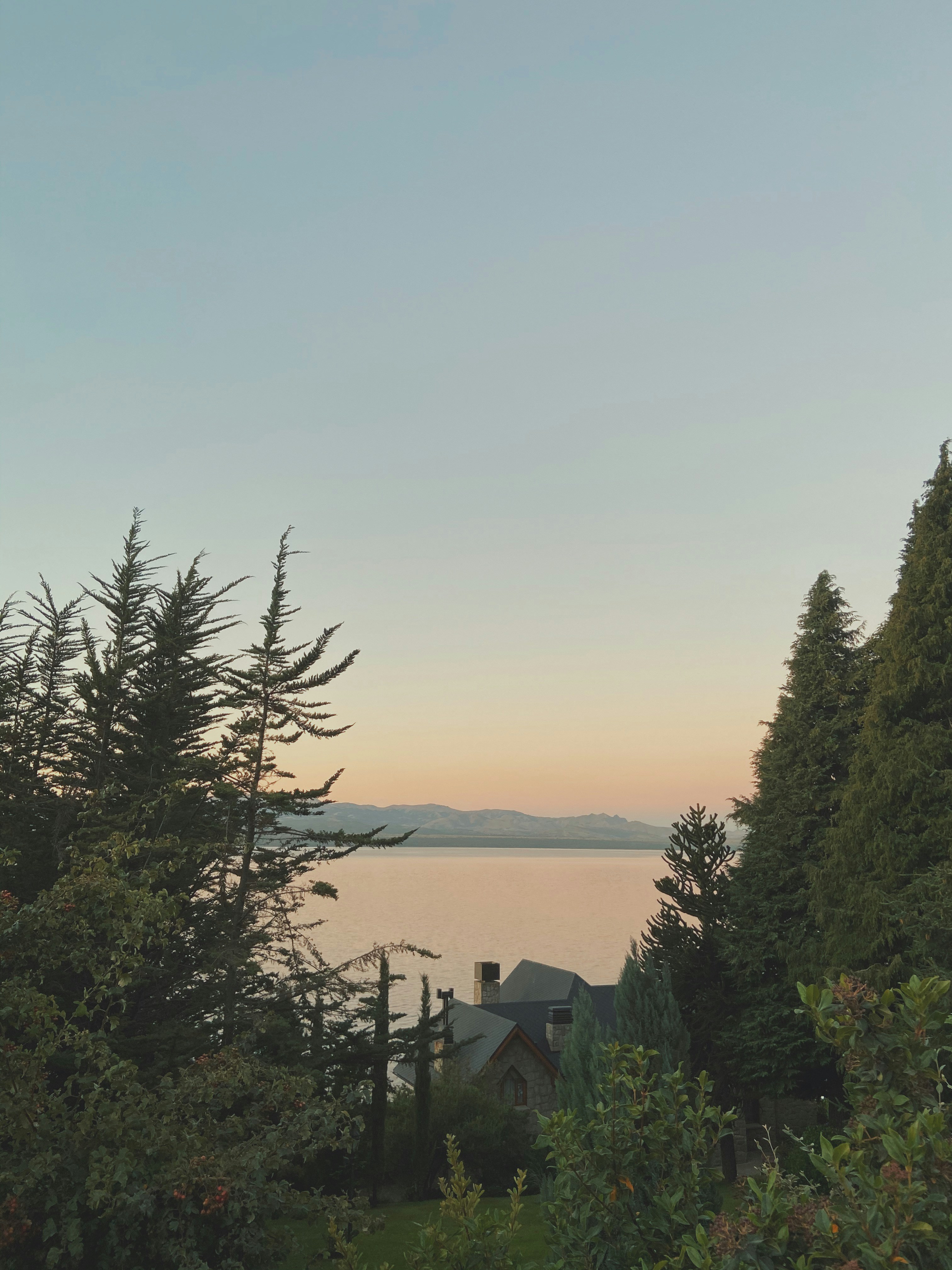
San Carlos de Bariloche, commonly known as Bariloche, is a picturesque town nestled in the heart of Argentina’s Patagonia region. Located on the shores of the expansive Nahuel Huapi Lake and surrounded by the majestic Andes Mountains, Bariloche’s geographic setting is nothing short of breathtaking. This unique positioning amid stunning natural landscapes has endowed the town with an unmistakable alpine charm, reminiscent of European mountain villages.
Bariloche’s distinct architectural style is heavily influenced by European settlers, particularly those from Switzerland, Germany, and Italy, who began arriving in the early 20th century. The town’s buildings often feature wooden structures, steeply pitched roofs, and intricate stonework, evoking the quaint aesthetics of Alpine Europe. This blend of European architecture against the backdrop of the Andean landscape creates a visually enchanting environment that attracts visitors from around the globe.
Beyond its physical beauty, Bariloche is renowned as a cultural melting pot. The town’s rich cultural tapestry is woven from the threads of its indigenous Mapuche roots and the diverse traditions brought by European immigrants. This fusion of cultures is evident in various aspects of local life, from culinary offerings to festivals and artisan crafts. Visitors can savor traditional Argentine dishes alongside European delicacies, and partake in vibrant celebrations that reflect the town’s multifaceted heritage.
Bariloche’s alpine charm and cultural richness make it a unique destination in Argentina. Its harmonious blend of natural wonders and architectural elegance, coupled with a deep sense of cultural diversity, offers a compelling invitation to explore and experience this enchanting town. Whether you are drawn by its scenic beauty, historical significance, or cultural vibrancy, Bariloche promises an unforgettable journey through the heart of Patagonia.
Historical Transformation in the 1930s
In the 1930s, Bariloche underwent a significant transformation that redefined its architectural and cultural landscape. This period marked a concerted effort to develop the town into a picturesque Alpine village, echoing the charm and aesthetics of Swiss mountain towns. Spearheaded by visionary architects and urban planners, the transformation included the construction of buildings characterized by timber, stone, and slate, creating a cohesive and enchanting alpine ambiance.
Central to this transformation was the construction of Bariloche’s iconic Civic Center, an architectural marvel that became the town’s focal point. Designed by architect Ernesto de Estrada, the Civic Center was completed in 1940, featuring a harmonious blend of local materials and traditional Alpine motifs. This architectural masterpiece includes the Municipal Building, a cultural center, a library, and the Francisco P. Moreno Museum of Patagonia, all arranged around a central plaza that fosters a sense of community and cultural continuity.
Beyond the Civic Center, other key architectural landmarks were erected to enhance Bariloche’s Swiss-inspired identity. The Cathedral of Our Lady of Nahuel Huapi, with its steep gabled roof and stone façade, exemplifies the integration of Alpine architectural elements into the local context. Similarly, numerous chalets and lodges scattered throughout the town further reinforce the alpine theme, with their wooden frames, pitched roofs, and intricate detailing.
This deliberate architectural transformation was not merely an aesthetic endeavor but also a strategic move to attract tourism, leveraging the picturesque appeal of a Swiss village nestled in the heart of Argentina. The creation of this alpine replica was pivotal in establishing Bariloche as a premier destination for both domestic and international visitors, seeking the unique blend of natural beauty and cultural charm that the town offers.
Cultural Fusion: Indigenous and European Influences
Bariloche, a picturesque town nestled in the Argentine Andes, presents a unique tapestry of cultural influences that speak to its rich history. Central to this cultural mosaic is the intertwining of indigenous Mapuche traditions with the customs introduced by European settlers. This blend is most palpably felt in the town’s festivals, cuisine, and everyday life, where the legacy of both cultures is celebrated and preserved.
The Mapuche people, native to the region, have a profound influence on Bariloche’s cultural landscape. Their traditions, languages, and crafts form an integral part of the town’s identity. The Mapuche’s respect for nature is reflected in local practices, such as the cultivation of native plants and the use of natural materials in artisanal crafts. Festivals like the Nguillatún, a traditional Mapuche ceremony, are still observed, showcasing dances, music, and rituals that honor their ancestors and the natural world.
European influence in Bariloche began with the arrival of immigrants from Switzerland, Germany, and Italy in the late 19th and early 20th centuries. These settlers brought with them their own customs, which have since become deeply woven into the fabric of the town. Swiss architecture, with its characteristic chalets, is a hallmark of Bariloche’s cityscape. Additionally, the town is renowned for its chocolate, a tradition introduced by Swiss immigrants, making Bariloche the chocolate capital of Argentina.
The fusion of these diverse cultures is perhaps most evident in Bariloche’s culinary scene. Traditional Argentine dishes like asado and empanadas are complemented by European favorites such as fondue, goulash, and strudel. This eclectic mix extends to local markets and bakeries, where one can find a variety of indigenous Mapuche foods alongside European pastries and breads.
Daily life in Bariloche reflects this cultural amalgamation. The town’s festivals, such as the Fiesta Nacional del Chocolate, highlight the European influence, while local markets and community events often showcase Mapuche crafts and foods. The harmonious coexistence of these cultures is a testament to Bariloche’s unique charm, embodying a spirit of inclusivity and mutual respect.
Natural Beauty: Nahuel Huapi National Park
Nestled in the heart of Argentina, Nahuel Huapi National Park epitomizes the Alpine charm that Bariloche is renowned for. This expansive park, covering approximately 7,050 square kilometers, is a mosaic of diverse ecosystems that captivate visitors from around the globe. At the core of the park lies the shimmering Nahuel Huapi Lake, whose crystalline waters mirror the surrounding snow-capped peaks. The lake is a focal point for various outdoor activities, including boating and fishing, making it a magnet for both relaxation seekers and adventure enthusiasts.
The park’s landscape is a tapestry of lush forests and rugged mountains, offering a sanctuary for an array of wildlife. The dense woodlands are predominantly composed of native species such as the coihue and lenga trees, providing a habitat for a myriad of birds and mammals. Birdwatchers revel in the chance to spot species like the Andean condor and the Magellanic woodpecker, while the elusive huemul deer and pumas roam the remote regions, adding an element of wilderness to the experience.
Hiking trails of varying difficulty traverse the park, catering to all levels of trekkers. Whether embarking on a gentle stroll along the lake’s edge or a challenging ascent up the Cerro Catedral, hikers are rewarded with breathtaking vistas at every turn. The park also offers opportunities for camping, allowing visitors to immerse themselves fully in the natural splendor. In addition to hiking, the park’s rivers and rapids provide thrilling white-water rafting experiences, drawing adrenaline junkies to its waters.
During winter, Nahuel Huapi transforms into a snowy wonderland, attracting skiers and snowboarders to its renowned slopes. The Cerro Catedral ski resort, one of the largest in South America, offers world-class facilities and a vibrant après-ski scene. This seasonal shift ensures that the park remains a year-round destination, continually offering new facets of its beauty for exploration.
In essence, Nahuel Huapi National Park is a testament to the rich natural heritage of Bariloche, blending serene lakes, verdant forests, and majestic mountains. It stands as a haven for nature lovers and adventure seekers alike, drawing them into its unspoiled wilderness and leaving an indelible mark on their hearts.
Winter Wonderland: Skiing and Snowboarding
Bariloche, nestled in the Argentine Patagonia, is internationally renowned for its winter sports offerings, making it a premier destination for skiing and snowboarding enthusiasts. The crown jewel of Bariloche’s winter wonderland is Cerro Catedral, one of the largest and most developed ski resorts in the Southern Hemisphere. With over 120 kilometers of slopes catering to various skill levels, from beginners to seasoned experts, Cerro Catedral stands as a testament to Bariloche’s commitment to providing a top-tier winter sports experience.
The ski resort boasts modern facilities, including high-speed lifts and a comprehensive snow-making system, ensuring optimal conditions throughout the season. Skiers and snowboarders can explore a diverse range of terrains, from wide, groomed trails to challenging off-piste runs that promise exhilarating adventures. Additionally, Cerro Catedral offers panoramic views of the Andes and the pristine Nahuel Huapi Lake, enhancing the overall allure of the skiing experience.
Beyond the slopes, Bariloche provides a rich array of winter activities that extend the enjoyment of its alpine charm. Visitors can engage in snowshoeing, sledding, or even ice skating, ensuring that there is something for everyone, regardless of age or skill level. The après-ski scene in Bariloche is equally vibrant, with numerous cozy lodges, gourmet restaurants, and bustling bars where guests can unwind and savor local delicacies after a day on the slopes.
Bariloche’s unique blend of natural beauty, extensive winter sports infrastructure, and cultural richness makes it a sought-after destination for winter sports enthusiasts worldwide. Whether you are carving down the immaculate slopes of Cerro Catedral or enjoying the myriad other winter activities available, Bariloche promises an unforgettable alpine adventure in the heart of Argentina.
Modern-Day Bariloche: Tourism and Local Life
Bariloche, a picturesque town nestled in the Andes of Argentina, masterfully balances its role as a premier tourist destination with the daily rhythms of local life. Known for its breathtaking landscapes and a blend of Swiss and Argentine cultures, Bariloche attracts visitors from around the globe. The town’s thriving hospitality industry is a testament to its enduring appeal, offering a wide range of accommodations from luxurious lakeside resorts to cozy mountain lodges. Local businesses, including artisanal chocolate shops and craft breweries, thrive alongside the influx of tourists, creating a vibrant economic ecosystem.
Despite the bustling tourism scene, Bariloche retains its unique charm and cultural heritage. Numerous cultural institutions, such as the Patagonia Museum and the Civic Center, showcase the rich history and traditions of the region. These institutions play a crucial role in preserving the town’s identity while educating visitors about its past. Community initiatives and local events, such as the National Snow Festival and the Bariloche a la Carta food festival, further highlight the town’s cultural vibrancy. These events not only attract tourists but also foster a sense of community among residents, reinforcing the town’s unique character.
Bariloche’s culinary scene is another key aspect of its charm. The town is renowned for its chocolate, with numerous chocolatiers crafting delectable treats that reflect both Swiss and Argentine influences. In addition to chocolate, Bariloche boasts a diverse array of dining options, from traditional Argentine parrillas (steakhouses) to international cuisine. Local markets and eateries also offer a taste of regional specialties, such as Patagonian lamb and trout, providing visitors with an authentic culinary experience.
While tourism is a major driver of Bariloche’s economy, the town’s residents actively participate in and benefit from this industry. Local artisans, guides, and entrepreneurs contribute to the town’s vibrant atmosphere, ensuring that Bariloche remains a welcoming and dynamic destination. By balancing tourism with local life, Bariloche continues to enchant visitors while preserving the essence of what makes it truly special.